Showing posts with label Jemima Campey. Show all posts

Monday, October 24, 2022

Watching Me, Watching You

Photography and Videography | Brian Rope

Watching Me, Watching You | Jemima Campey

Tuggeranong Arts Centre Foyer | 8 to 29 October 2022

Jemima Campey (Ngunnawal/Ngambri lands) graduated from the Australian National University in 2021 with degrees in English and Visual Arts. She is currently completing her Honours in Visual Arts.


Campey makes photos, performances, installations and films. Through the use of appropriated and reworked materials which are borrowed from a day-to-day context, she touches various overlapping themes and strategies, including performance and contemporary culture. Her text and photographic works are often deeply personal, providing insight into her act of making art.


I’ve previously seen only a little of Campey’s artwork – videos in which she examined the phenomenon of the ‘apology video’, exploring how the spread of social media was impacting and re-shaping the nature of peoples’ emotions.


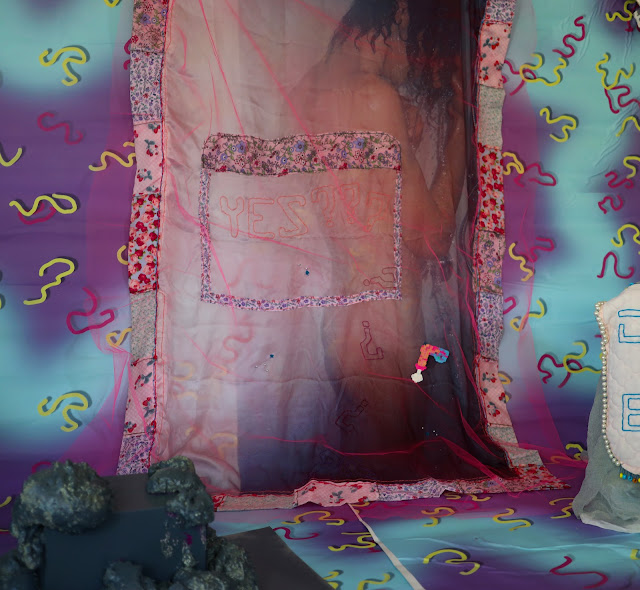
In this exhibition, Watching Me, Watching You, she has worked with both appropriated material and newly created photographs, and presents a selection of her recent works, united by their focus on the intersections of contemporary culture, online behaviours, and performance.


She has drawn from her own experiences growing up during the rise of social media and from the writings of Rayne Fisher-Quaan, a Canadian political commentator who, aged seventeen, created the organisation March for Our Education to lead student actions protesting the repeal of the sex education content of a Health and Physical Education curriculum.


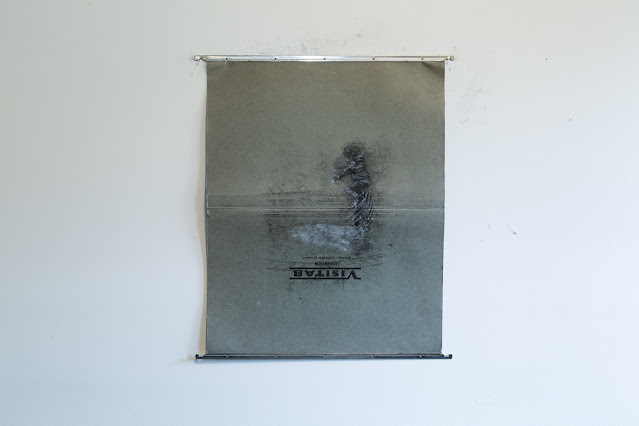
Campey has used video and photography to make sense of some aspects of online life and subcultures that may not be well known to those who do not engage with particular trends or online platforms. A 500cm long inkjet print titled Doomscrolling reveals the types of interactions that might be read on some platforms, such as Pinterest. Here is just a tiny section of the text on the scroll:


SHE IS BEAUTIFUL. HER BODY IS BEAUTIFUL. With that said, she is clearly tilting a lot and flexing to make herself look thinner and more toned. she’s also using the clothing to her advantage to make her body look how she wants, which is her right, just remember that everything on the internet can be so tainted and altered from its natural state.


And one response to that:


yesss, thank you also notice that she like purposely took her shirt off for the pic


We all know that social media can infiltrate almost every part of our lives. We can present ourselves to others in whatever way we choose. Some opt to perform for their audience, whom they may or may not know, to create the image they wish to portray. Doing so raises such questions as “What are the impacts of adopting a moral superiority within your online persona and brand?”


Campey does not claim to answer these questions. Rather, she considers how authenticity and perception come into play in various online spaces, such as dating apps.


That’s All I Have to Say (a 9-channel digital video which runs for a little over three minutes) is intriguing. It is important to put on the headphones and listen to the words spoken by numerous people whilst viewing the images scattered on the screen.


That’s All I Have To Say. 2021. Still from video 03_07


Lovers’ Hands, (a ten-minute long looped video screening within a lovely and very small handmade frame) is also well worth close inspection.


Lovers Hands (2021). Installation image supplied. Digital video and handmade frame. 10_02, looped


There is a performance video piece, Routine, showing the artist herself engaging in a somewhat drawn-out and surreal process performing wellness and wellness-related activities – skincare, vitamins, hair brushing and so on.


Routine (still) 27_45. 2022


And to complete this modest but thoughtful exhibition, there is just one photograph. It is a self-portrait, Saint Belle, again focussing on the wellness industry, which is booming as consumers spend on products to improve their health, fitness, nutrition, appearance, sleep, and mindfulness.


Saint Belle. 2022. Inkjet print, 84.1x59.4 cm


This review was first published online on 17/10/22 by the Canberra Times here and then in print (page 27) on 24/10/22. It is also available on the author's blog here.

Monday, February 14, 2022

VIEW2022

Photomedia Exhibition

VIEW2022 | Annette Fisher, Catherine Feint, Fiona Bowring, Greg Stoodley, Isaac Kairouz, Izaak Bink, Jemima Camper, Tom Campbell, Wendy Dawes, Xueqin Yi

Photo Access | 4 February - 5 March 2022

This show features emerging, or re-emerging, contemporary photographers. Technically, an emerging artist – no matter how old or how long they’ve been at their chosen medium - has not yet been recognised by major critics, galleries and museums. More generally, the term tends to be used when artists have been practising for less than 10 years, haven’t been acquired by a gallery, and have a low profile in the art market. A re-emerging artist is one whose career was interrupted by circumstances and is now resuming. I understand one of these exhibitors is 80. Yes, artists can emerge at any age.

Ten photographers, each producing works in their own distinctive styles, using diverse materials and exploring many subjects. You might appreciate different artists/works than those that stand out for me. I am confident, however, that every gallery visitor will find delight here and enjoy contemplating all exhibits. 

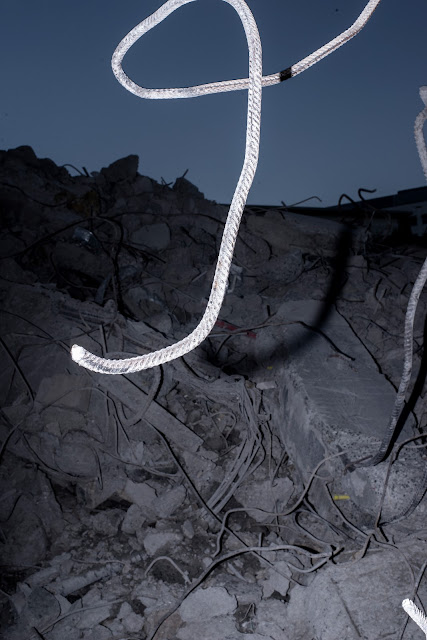
Accompanied by a video showing demolition, Annette Fisher’s powerful Demolition print captures light coming from the rubble, surprisingly revealing beauty in the site.


Demolition, 2021 – Annette Fisher

Greg Stoodley’s two Small Worlds prints delightfully reflect on how animals, in this case a cat, may be real supports during lengthy periods spent at home.


Cat TV, 2021 – Greg Stoodley

Isaac Kairouz’s Hek! BIDEO installation includes video, collage and painting. Each element needs to be explored individually, whilst the whole wonderful installation also needs to be contemplated in the context of the ways a person’s various social identities come together.


GolDen sHowASs, 2020 – Isaac Kairouz

Catherine Feint’s Childhood Home is a set of monochrome film shots of the house in which she grew up. The twist though is that they are actually photographs of her created cardboard models of the house. The quality of the shots is such that I did not realise that until reading the catalogue.


Figure 4 – Catherine Feint

Suspension, by Wendy Dawes, also took me by surprise. The catalogue refers to the rotoscope technique and drawing on suspension files. I know of rotoscoping, but it did not occur to me that the reference to suspension files meant just that – two artworks have been created on those ugly holders that we suspend in filing cabinets to hold documents. A much more creative use!


Suspension Trampoline, 2021 – Wendy Dawes

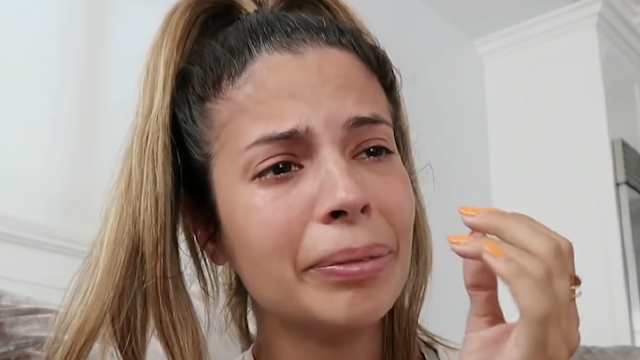
Jemima Campey’s two related video works explore the growing use of scripted and performed apologies, designed to minimise damage to the person’s “brand”. We can all quickly bring to mind certain politicians.


Still from digital video Crocodile Tears, 2021 – Jemima Campey

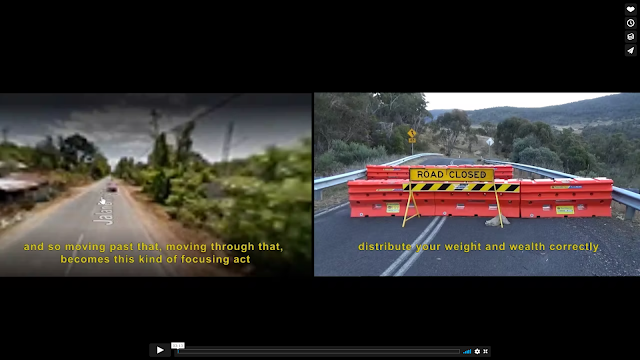
Tom Campbell’s split-screen video work tells two simultaneous stories, investigating the impact of border closures on our connections with places and family. I had to view this a few times to take in all the words on each screen but doing so reinforced the message.


Still from split-screen video – not that hill as a site of dominion 2021, Tom Campbell

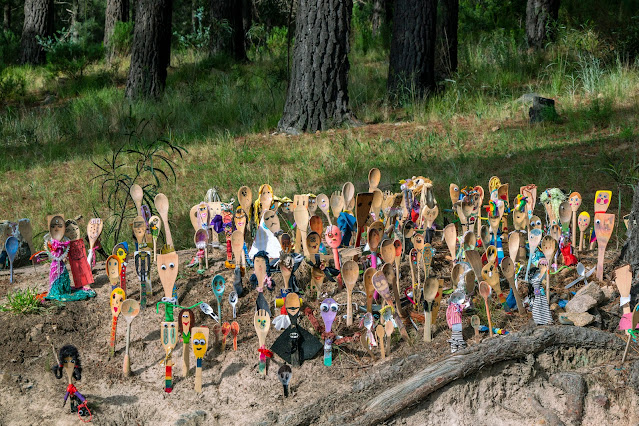
Fiona Bowring’s Spoonville is another quality print of a whimsical feature. Having seen this work previously on social media (as well as other folk’s images of other Spoonville installations) reduced its impact for me.


Spoonville-7719, Fiona Bowring

Xueqin Yi’s Plants Chant images resulted from using her camera to escape boredom and, so, becoming intensely interested in and gaining comfort from observing plants. There is much more than just plants in the images though, as she has included their, sometimes odd, surrounds.


Untitled, 2018 – Xueqin Yi

The catalogue says Izaak Bink’s I want you, because I can’t have you uses found images to draw attention to the exaggerated masculinity gay men can be forced to emulate – and forces us to ask, “whose place is it to decode this work?” Whilst not feeling any need to ask such a question, I nevertheless thoroughly enjoyed the graphic style of these two works.


Ride Em Cowboy – Izaak Bink

Thoughtfully curated by Wouter van de Voorde, this exhibition explores alternative processes and offers fresh perspectives on current issues, from early-career artists.

This review was published in the Canberra Times on 14/2/22 here. It is also available on the author's own blog here.